
Rongai Route
Rongai Route
ROUTE OVERVIEW:
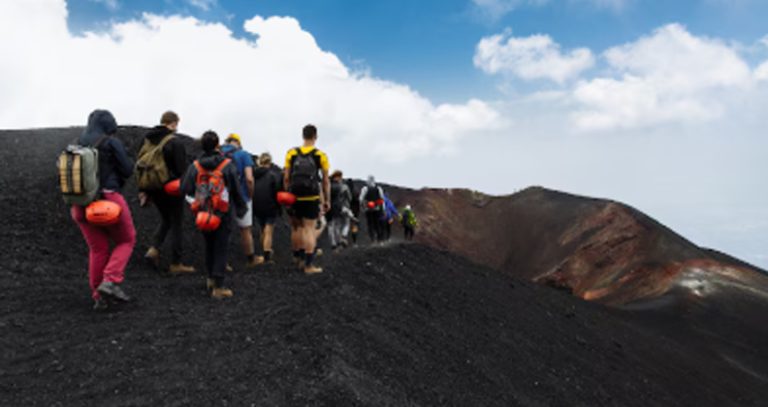
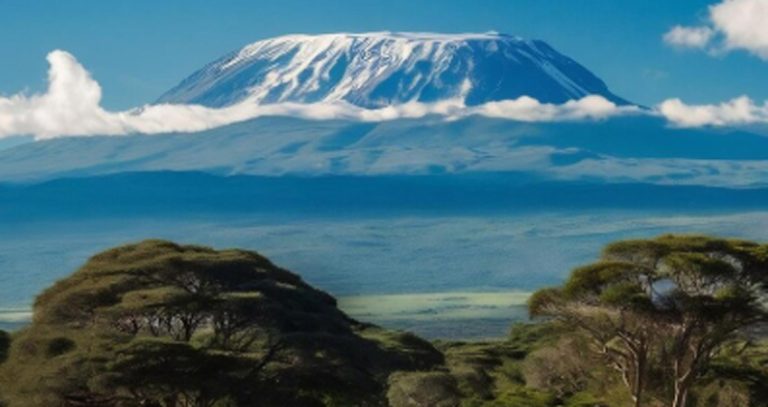
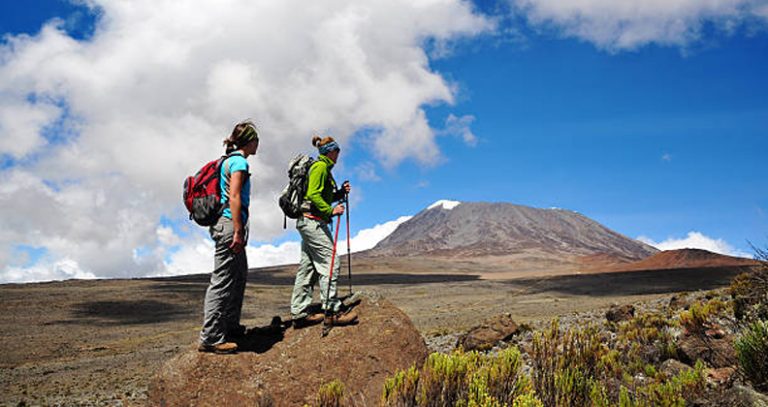
The route is less popular trekking Kilimanjaro trail which has many distinctive benefits. Beginning on the northern slope of the mountain in a coniferous forest, it crosses a variety of climatic zones. While the Marangu becomes the decent route on the southwestern side. The route becomes the first trekker’s choice in few past years. With it, there is much less crowd than the busy southern Kilimanjaro trekking routes. Fewer ten times Climbers will be seen using this route. Secondly, it’s amazing scenic, offering great views on Mawenzi and Kibo peak’s that are the fermace Kilimanjaro volcanic cones, the fantastic landscapes, and unique flora species like Kilimanjaro Giant groundsels. and tropical forests on the descent. Also the slopes from the northern side are drier and have less dense vegetation, with plenty to see on your way up. Imagine awakening near the majestic peak of Mawenzi, its rocks bathed in the soft shades of sunrise, and spotting rare Bearded Vultures soaring and glide, setting their course towards the distant horizon of Kenya. This route offers trekkers a more excluded and intimate experience for those seeking a quieter trekking adventure on Kilimanjaro.
DETAILED ITINERARY:
Day 1: Arrival at Kilimanjaro International Airport
where you will meet our representative, and transfer to the hotel for your accommodation before the next day trekking program. During your stay today you will be informed of a deep briefing time that has to be done before starting your expedition the next day morning.
BE NOTIFIED THAT: Check in time of most hotels start at 2 PM.
Day 2: Hotel to Nalemoru Gate then Trekking to Simba Camp.
In the morning after breakfast you will meet your guide and a mountain support crew for briefing, then after drive to Nalemoru gate ready for the first day trekking. You will together take the drive from the Hotel to Nalemoru Gate northern Kilimanjaro National Park. The Gate lies at an altitude of (2,020 m /6,627 ft.). After a quick checking inn of getting climbing permits and registering with the search and rescue service, the group will start trekking up to Simba Camp (2,671 m /8,761 ft.). Your trek this day will be temperate and take you through the coniferous forest up Kilimanjaro's northern slope. Remember not to hurry and always keep a comfortable pace. By the time you reach at the camp, our professional mountain crew will have prepared everything necessary, put up tents, and proceed with dinner preparation.
Trekking time: 3-4 hours
Distance: 8 km (4.9 miles)
Day 3: Simba camp to Kikelelwa camp
This day starts with an early breakfast and then departure from Simba Camp to the second high-altitude camp: Kikelelwa Camp (3,630 m /11,906 f). From Kikelelwa Camp you can see Kibo Volcano at its finest, if the weather is clear. This trek is more physically demanding than the previous one, so once you have reached the camp, we recommend getting some rest.
Trekking time: 5-6 hours
Distance: 10 km (6.2 miles)
Day 4: Kikelelwa camp to Mawenzi tarn camp
This day starts with another early breakfast and then a trek to Mawenzi Tarn Camp, which is situated at the foot of Mawenzi Volcano, Kilimanjaro's second-highest point. When you reach the camp, you will have lunch and a two-hour rest, after which there will be an acclimatization hike towards Mawenzi Volcano with a 200 m /656 f) gain in altitude. After, you will hike back down to Mawenzi Tarn Camp, where you will have dinner in the evening.
The acclimatization hike is an easy trek with a slight gain in altitude done in order to speed up the acclimatization process. You should take the acclimatization hikes very seriously. They help increase your chances of successfully summiting Kilimanjaro and save you from the consequences of altitude sickness.
Acclimatization hike: Change in Elevation
Mawenzi Tarn Camp (4,315 m / 14,156 ft.)
Mawenzi Volcano (4,510 m / 14,796 ft.)
Hiking distance: 2 km (1.2 miles)
Hiking time: 1-2 hours
Trekking time: 4-5 hours
Distance: 6 km (3.7 miles)
Day 5: Trekking from Karanga camp to Barafu camp
In this morning, after a warm and heavy breakfast, you will keep your hike to Barafu Summit Camp. This camp is the starting point for the final night summit to Uhuru Peak (5,895 m / 19,340 ft.) your goal destination point. Our team will set up camp ahead of time, so when you arrive your tents and sleeping bags will already be prepared, meaning you can just relax and rest when you reach Barafu Summit Camp. It is better to spend the remaining of the day resting and sleeping before the night summit.
Trekking time 4 -5 hours
Distance: 6 km (3.7miles)
Day 6: Summit to Uhuru peak then decent to Horombo camp:
Your group will depart at night around 2 AM from Kibo Hut Camp (4,720 m /15,482 ft.) and head toward Kilimanjaro's summit: Uhuru Peak (5,895 m /19,336 f). Technically speaking, the trek is not difficult, however, at this high altitude, even regular physical activity can feel strenuous. Therefore, for the final summit climbers are paired in two and put under the care of a personal guide, who will closely monitor their physical well-being. After your successful ascent to Uhuru Peak, you can descend to the nearest glacier, if desired. Then you will return to Kibo Camp and after a two-hour rest continue your descent to Horombo Camp (3,720 m /12,202 f).
Trekking time: 12-14 hours
Day 7: Decent from Horombo camp to Marangu Gate:
You will be offered a warm breakfast in the morning, after which we will head for the Kilimanjaro National Park's exit: Marangu Gate (1,970 m /6,462 f). After your descent, the whole group will gather to congratulate you, and then you will have the chance to share your opinions on the trip in the guestbook. Lastly, we will present you with your dedicatory certificates and provide you with a transfer back to your hotel.
Trekking time: 5-6 hours
Distance: 18 km (11.1 miles)
Day 8: Departure day
Rest in the hotel and transfer to the airport.
PLEASE NOTE: Hotel check-out is at 10:00 AM. In case you need a late check-out because of an evening flight, there is the option to extend your hotel stay for an extra fee.
What’s Included:
- All transfers as mentioned in the itinerary.
- All camping fees.
- Hotel before and after the hike in (bed and breakfast bases).
- Camping equipment (special tents, sleeping mats, camping tables, chairs and Mess/Dining Tent.
- 3 Fresh Meals on the hike.
- Professional guides, cooks and porters
- Certificate for successful summiting attempt.
- Portable Oxygen tanks.
- Oxy-meter carried by all chief guides
- Qualified first Aid respond guides and Fully-loaded medical kits.
- 3-4 litters of mineral drinking water provided daily during the climb
- Kilimanjaro Park rescue team fees
- All park fees and taxes
- Dedicated support team
- Storage for remaining luggage that you won’t need on hike.
- The local communities giving back.
What’s Excluded:
- International flights and Local flights
- Item of personal natural
- Tips to the climbing crew
- Personal medicine and snacks.
- Meals which are not specified in the Hotels.
- Visa fee
- Personal gear rentals
- Single supplement
- Travel insurance
- Portable toilet
- Lunch and dinner in the hotel.
Price:
DURATION | 1 PAX | 2-4 PAX | 5-7 PAX | 8-12 PAX |
8 Days Tour (6 Days Trekking)
| $2,510
| $2,385
| $2,237
| $2,158
|
9 Days Tour (7Days Trekking) | $2,590
| $2,440
| $2,369
| $2,217
|
RONGAI IMPORTANT INFORMATION
Rongai route out looking.
The Rongai route is moderately challenging but accessible to a wide range of mountain trekker’s with at least an average level of fitness. Note that the 7 days itinerary is easier and offers a better acclimatization profile than its 6 days variation
Summiting with Rongai Route:
Most of trekkers who do Rongai expedition make it to the summit of Mount Kilimanjaro (Uhuru Peak), and many others make it to the crater rim. To have a better chance of reaching the summit our recommendation is you choosing the 7days itinerary for a better acclimatization.
Rongai route in comparison to Lemosho route.
This mostly depends on your preferences. If you’re looking for a more quiet experience without crowds, or want to climb Kilimanjaro during the rainy season, Rongai can be a great option. On the other hand, Lemosho is famous as the most scenic route for climbing Kilimanjaro with very high summit success rates.
The Rongai Route Length
The Rongai route is approximately 79 km or 49 miles long, with the longest hike being the summit night push and descent. Starting from Nalemoru Gate (well known as Rongai Gate) at 2,364 meters, this route offers trekkers a steady and not extremely steep climb to the Kibo Crater Wall and Uhuru Peak.
RONGAI AND MACHAME 7 DAYS’ ITINERARY COMPARISON.
These are two great itineraries with their distinct merits and demerits. Machame stands out with slightly higher summit success rates and more diverse scenery on the ascent. However, this route has a significant merits, it’s much less crowded than the popular Machame. In addition, this route might be preferable for climbing Mt. Kilimanjaro during the rainy seasons. The northern slopes are drier with noticeably less precipitation.
Overall, both itineraries offer something unique and are quite accessible even for beginners. Machame climbs Kilimanjaro from the southern side, pass through the Barranco Wall. On the other hand, the Rongai’s trailhead begins on the northeastern slope and then goes down via the southwest on the descent.
The Rongai and Marangu Route Comparison.
These itineraries offer similar summit success rates. Both are good options to climb Kilimanjaro during the rainy season. Yet, there are also large differences between the two. To begin with Marangu, is the only route that offers dormitory-style hut accommodation in each camp along the route. In addition, Marangu is considered one of the busiest routes with lots of traffic.
On the other hand, Rongai is one of the most quiet and private Kilimanjaro route. Being the only route starting on the northern side, it offers a unique experience off the beaten path. Remarkably, the descent on the Rongai proceeds via the Marangu route, so you’ll be able to enjoy both sides of the mountain in one expedition! We recommend you electing for the 7 days Rongai itinerary for a better acclimatization profile.
 German
  English
  Chinese
  Dutch
Dutch  French
  Russian